
Combat sports and equipment: a world of fitness and innovation
Combat sports, from Japanese karate precision to Kung Fu fluidity, offer a unique blend of tradition, inclusive leisure, and total body conditioning.
Key combat disciplines and their unique physical features
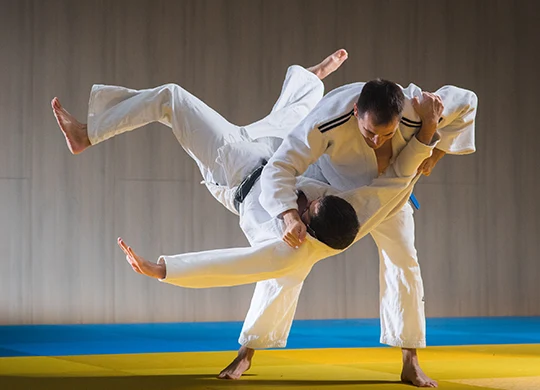
Every combat sport blends culture with technique. Brazilian Jiu-Jitsu focuses on grappling, while Taekwondo emphasizes cardio kicks. Karate combines strikes with mental discipline; Aikido redirects opponent energy. These activities cater to diverse goals, from functional bodybuilding to practical self-defense.
Karate: precision and mental focus
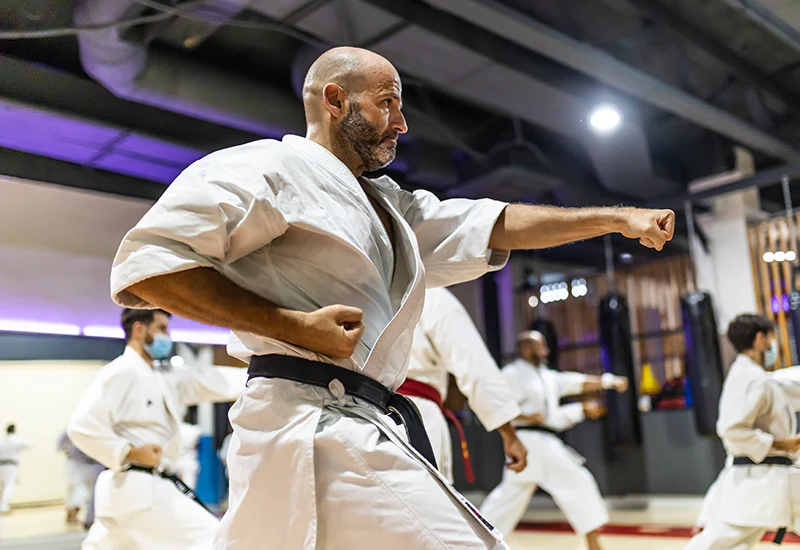
Okinawan Karate is renowned for sharp strikes and defensive techniques. Practitioners train in Katas—structured forms simulating combat scenarios—while developing mental focus and accessible recreational discipline.
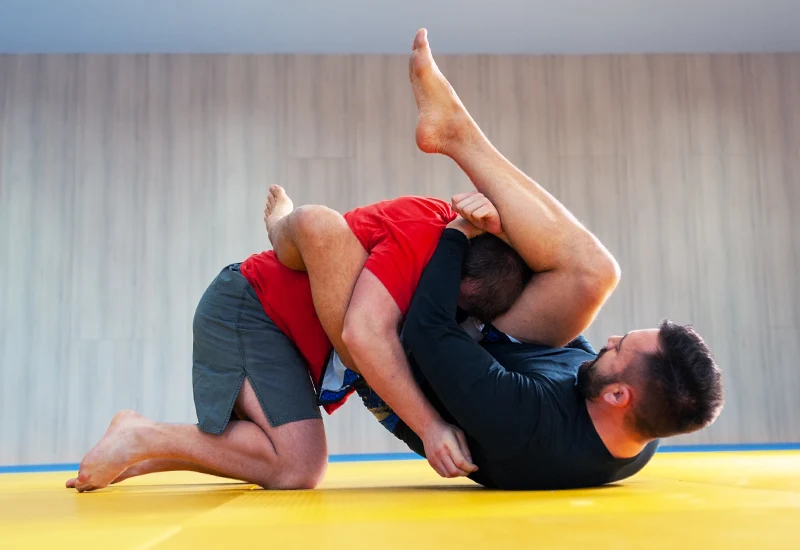
Brazilian jiu-jitsu: ground control and strategy
Brazilian Jiu-Jitsu (BJJ) is a grappling sport emphasizing leverage over raw power. Techniques like arm bars allow practitioners to neutralize opponents regardless of size, making it effective for self-defense and core strength.
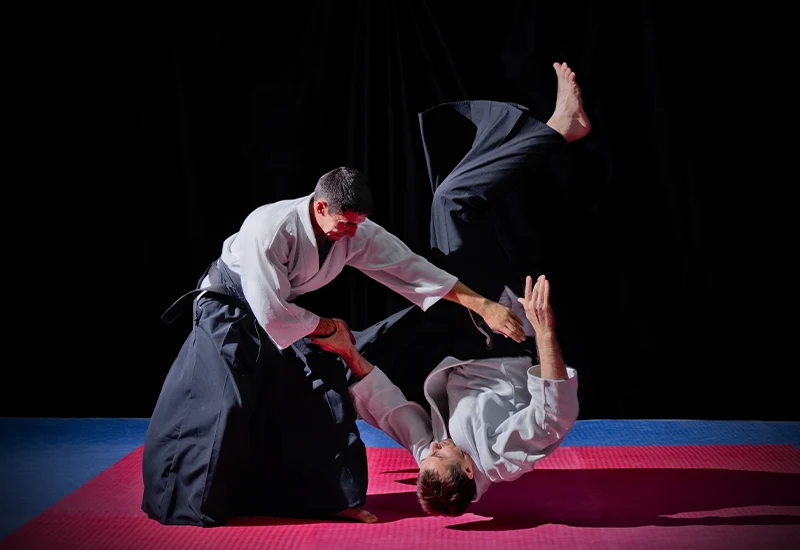
Aikido: harmony in motion
Aikido focuses on redirecting opponent energy through circular movements. Developed by Morihei Ueshiba, it combines physical techniques with a philosophy of peace, making it a holistic art form and balanced lifestyle.
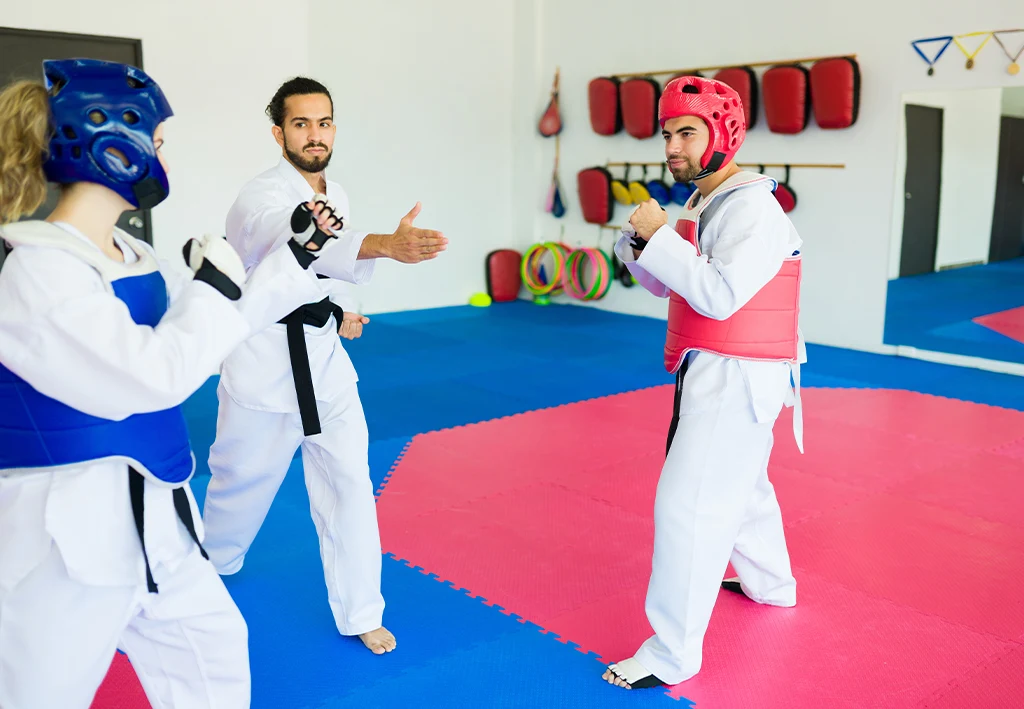

The role of gear in combat and fitness training
Proper gear is vital in combat sports to ensure safety, enhance athletic performance, and respect tradition. From durable bodybuilding accessories to protective equipment, each piece helps practitioners achieve goals while minimizing risks.
Reinforced boxing gloves protect hands during high-impact strikes. Heavy punching bags are essential for building muscle power and accuracy. Custom-fit mouthguards safeguard against dental injuries during sparring. Elastic compression wraps stabilize wrists during intense cross-training, reducing strain risks.
Traditional and modern weapons in martial practice
Weapons training is integral to many combat disciplines. From the iconic Katana in Japanese traditions to modern tactical batons, these tools teach precision, control, and respect for both ancient and contemporary techniques.
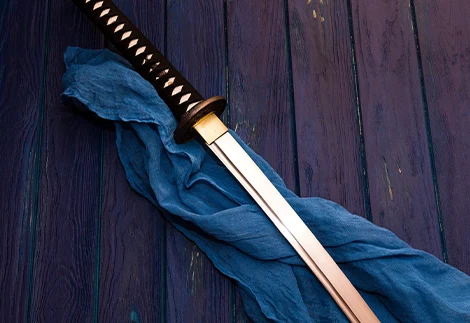
Katana: the iconic samurai sword
The Katana is a symbol of Japanese culture and martial tradition. Its curved blade requires exceptional skill to wield effectively. Practicing with a Katana emphasizes focus, precision, and respect for historic craftsmanship.
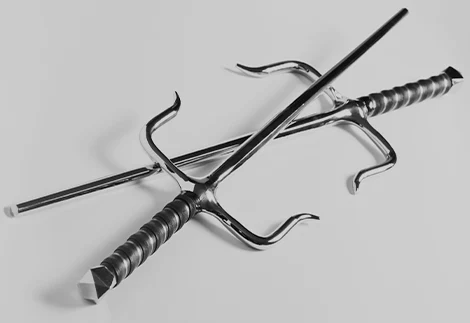
Sai: balanced defense and offense
The Sai is a traditional weapon used in Okinawan martial arts. With its distinctive trident shape, it is designed for both defensive blocks and offensive strikes. Its unique design requires careful training to master.
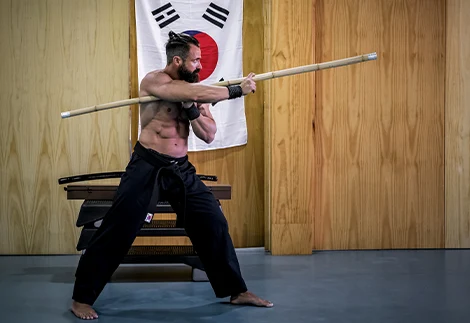
Bo staff: strength in simplicity
The Bo staff is a long weapon used in disciplines like Karate or Kobudo. Its simplicity belies its versatility; practitioners use it for sweeping strikes, precise thrusts, and defensive maneuvers.
Combat sports attire: tradition meets technical functionality
Combat sports outfits are more than just clothing—they symbolize discipline while providing comfort. Each discipline requires specific technical apparel tailored to techniques, ensuring freedom of movement and durability during intensive training.
The Judo Gi uses thick cotton to withstand gripping techniques. The Taekwondo Dobok features a lightweight flexible design for high kicks. In MMA, compression rashguards prevent skin abrasions while improving muscle recovery during grappling sessions.
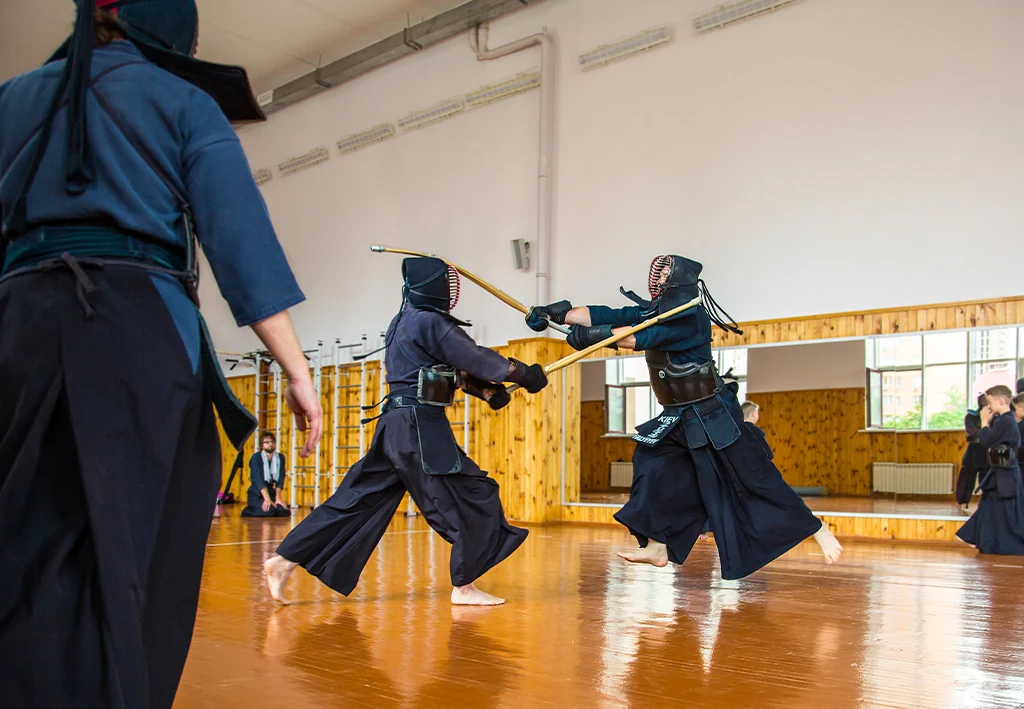
Protective safety equipment for every skill level
Injury prevention is paramount in combat sports. Certified protective gear reduces trauma risks during competition, allowing practitioners to focus on technique development without fear of physical harm.
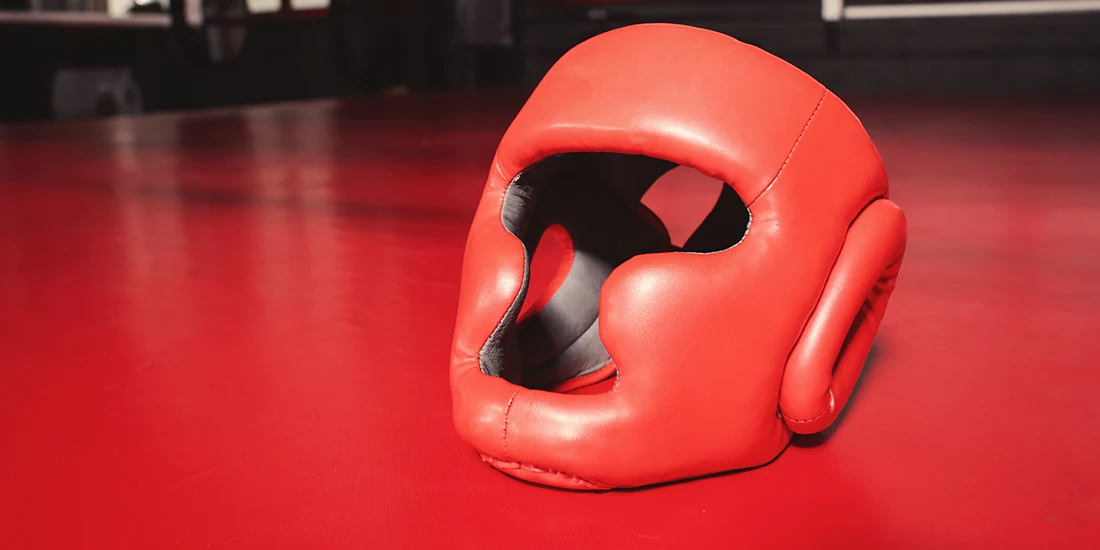
Full-face headgear for maximum protection
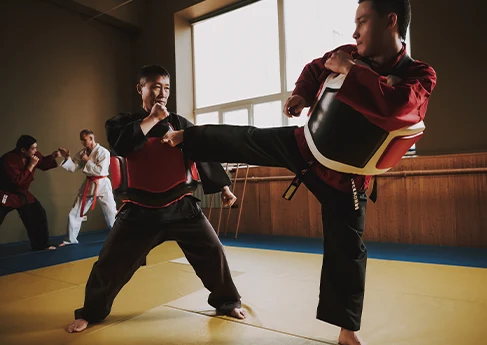
Reversible chest guards for impact absorption
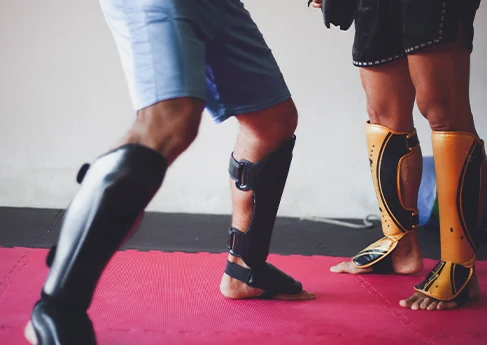
Ergonomic shin guards for limb safety